PRODUCT DESCRIPTION
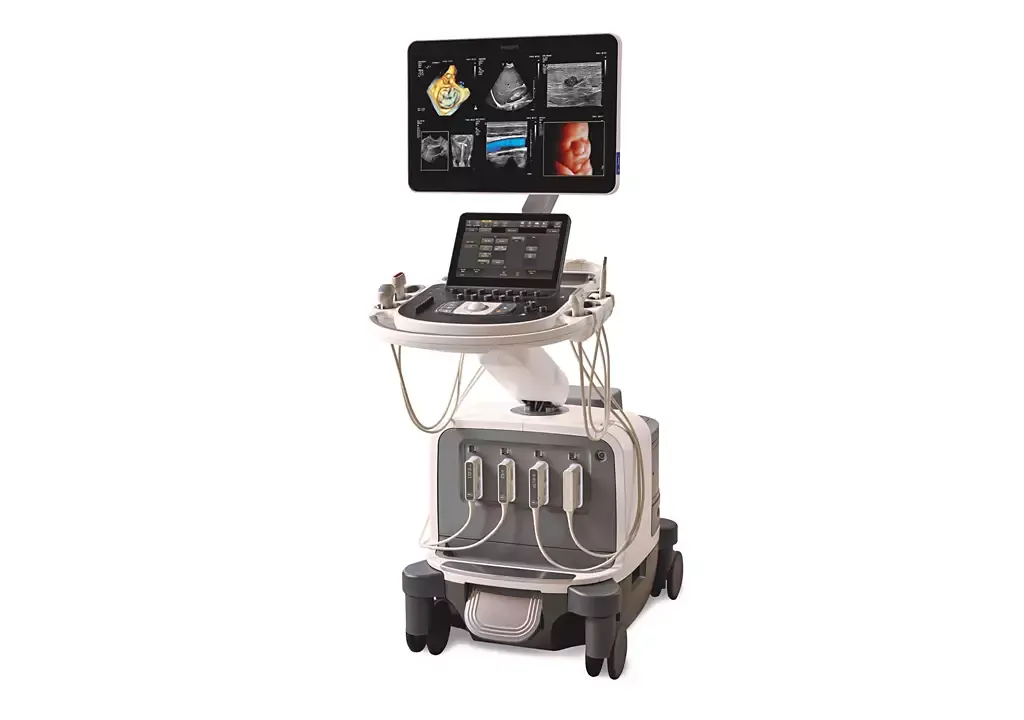
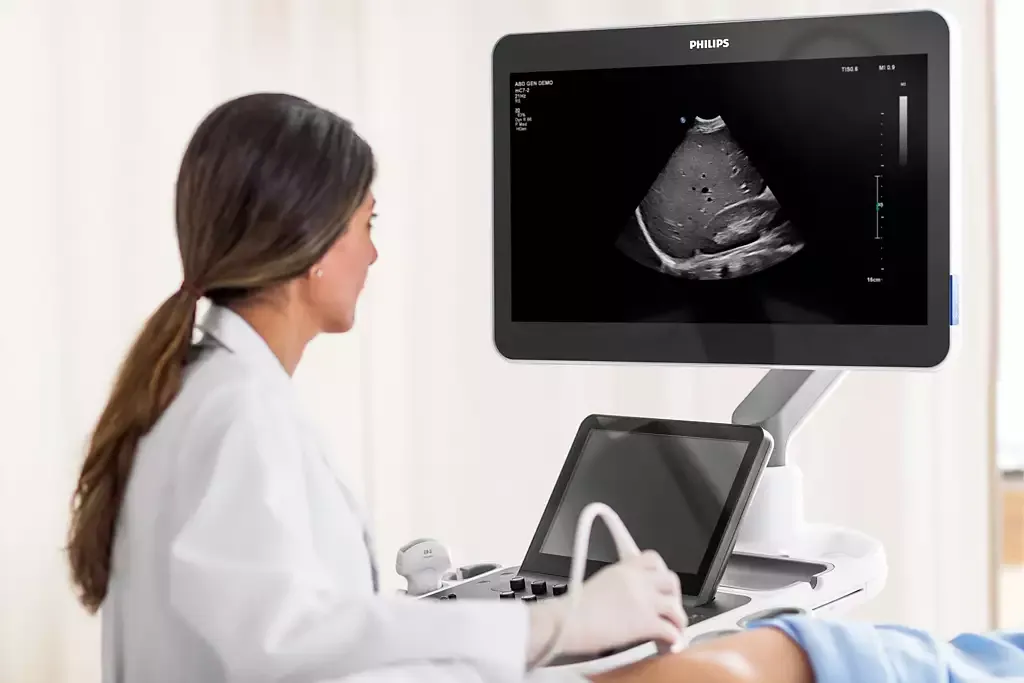
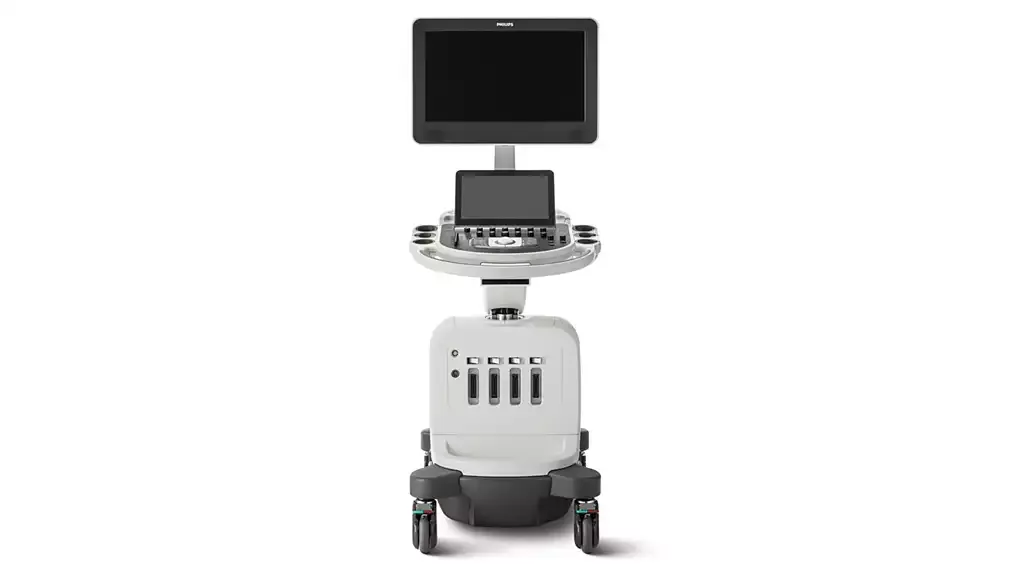
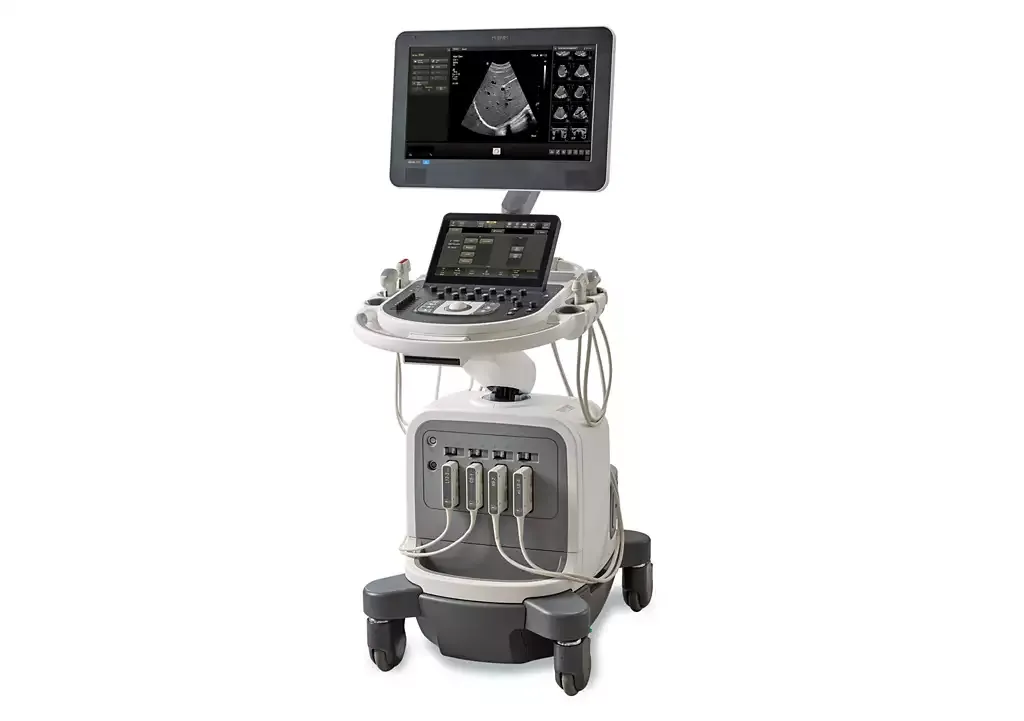
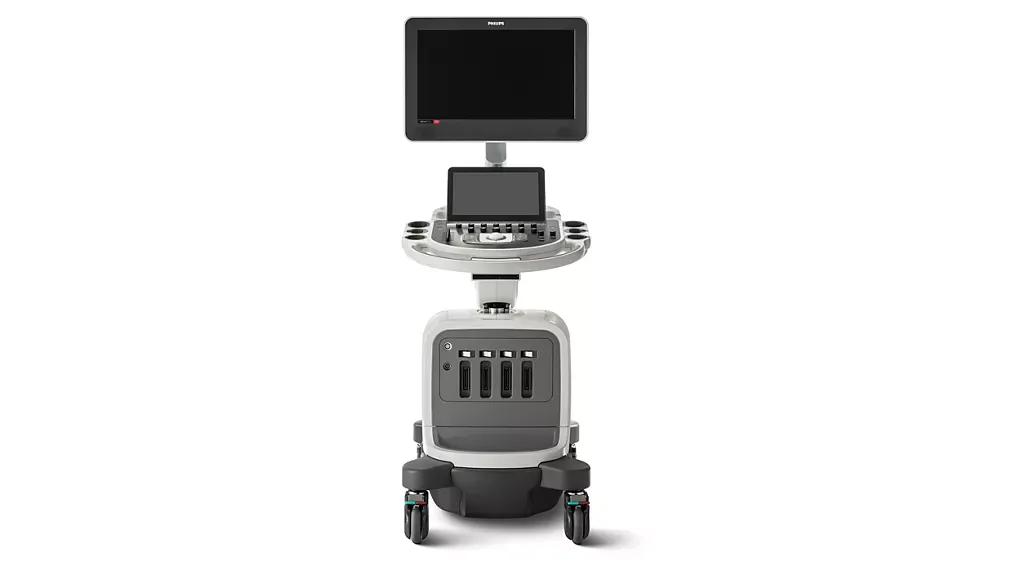
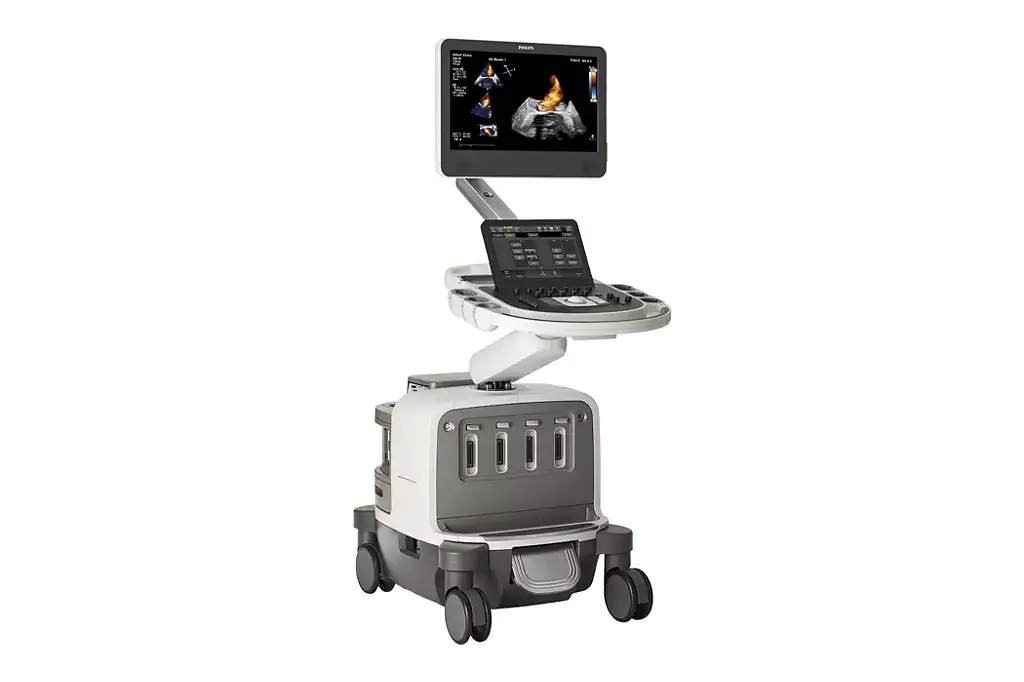
The Philips Epiq Elite is a premium ultrasound system that offers exceptional image quality, intuitive workflow, and advanced features for a wide range of clinical applications. The system is built with Philips' nSIGHT Imaging architecture, which processes acoustic data at incredibly fast rates to produce highly detailed, clear, and uniform images.
Key features
- nSIGHT Plus Imaging Architecture: Creates focused images with fewer transmissions, resulting in excellent frame rates, enhanced uniformity, and deep tissue penetration.
- PureWave and xMATRIX Transducer Technology: PureWave crystals provide a wider frequency range and superior efficiency for excellent imaging, even in technically challenging patients. xMATRIX technology enables imaging in multiple planes.
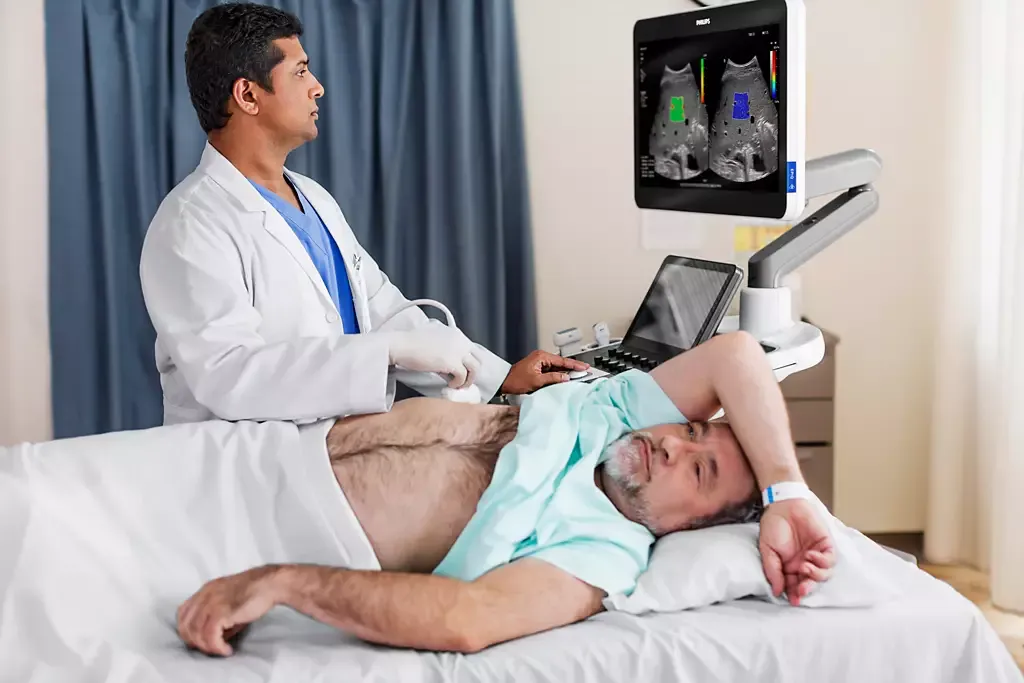
- Elastography: The platform supports both shear wave elastography (ElastQ) and strain imaging for quantitative and qualitative assessment of tissue stiffness.
- MicroFlow Imaging HD: Improves sensitivity and resolution for visualizing low-velocity blood flow in small vessels.
- FlowViewer: Provides a 3D-like rendering of flow imaging data to better visualize vascular flow topography.
- SuperRes MVI: Enhances the resolution of Contrast-Enhanced Ultrasound (CEUS) imaging for clearer visualization of filling patterns.
- 24" HD MAX Display: Offers a superior visualization experience with brighter colors and greater power efficiency compared to previous Epiq models.
- Advanced intelligence: Includes Anatomically Intelligent Ultrasound (AIUS) for automated measurements and consistent, reliable results.
- Workflow and ergonomics: Features an intuitive, tablet-like interface and a flexible, adjustable control panel to reduce operator fatigue and streamline exams.
Clinical applications
The versatility of the Epiq Elite makes it suitable for numerous clinical segments, including:
- Cardiology: Including adult, pediatric, and fetal echocardiography.
- Obstetrics and Gynecology: For visualizing fetal vessels and heart structures, and evaluating low-velocity blood flow in fetal, placental, and uterine vasculature.
- General imaging: Abdominal, breast, and other small parts imaging.
- Vascular: Assessment of peripheral, cerebrovascular, and abdominal vascular structures.
- Musculoskeletal (MSK): Imaging of joints, muscles, and soft tissues.